



In this articleDefine your facility's purpose Optimise the layout around zones South African challenges to account for Leverage smart space optimisation The "value trap":CAPEX vs long-term OPEX |
Commercial Gym Planning ChecklistBefore purchasing your equipment: ▢ Define your target demographic ▢ Determine peak user capacity ▢ Create training zones ▢ Assess power & ventilation requirements ▢ Determine peak user capacity ▢ Finalise equipment specifications |
Designing a successful commercial gym facility in South Africa requires a strategic balance of user experience, spatial efficiency, and local compliance. A successful layout prioritises distinct workout zones (strength, functional, cardio, and recovery), ensures a minimum safety clearance of 1 to 1.2 meters between equipment, and accounts for South African operational realities like load-shedding. Rather than focusing on equipment procurement first, modern facility design begins with mapping traffic flow and a clear understanding of the target demographic.
Whether you are launching a commercial fitness club, upgrading a school sports center or building an exclusive gym within a residential estate, the layout phase dictates your long-term return on investment (ROI).
Many developers make the mistake of choosing equipment before mapping their space. At Gym Concepts, our decades of experience in the South African fitness landscape have proven that the most profitable and high-retention gyms prioritise member experience, operational efficiency, and safety long before a single machine is delivered.
Here is our step-by-step blueprint for designing a world-class commercial gym facility in South Africa.
1. Define Your Facility’s Demographics & Purpose
Before allocating your budget, you must define the exact user persona of your facility. The target demographic dictates your spatial ratios, flooring requirements, and equipment choices.
Commercial Health Clubs:
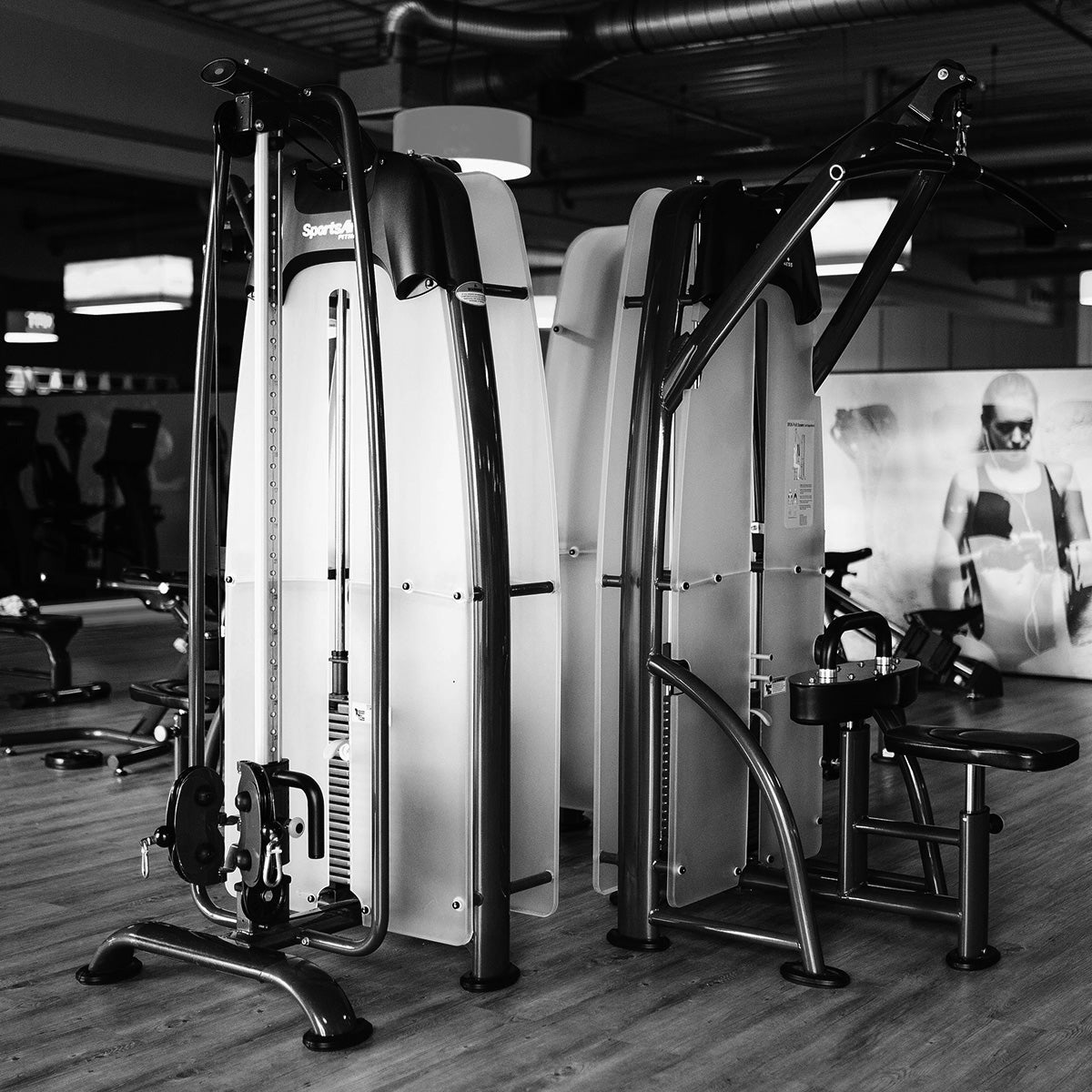
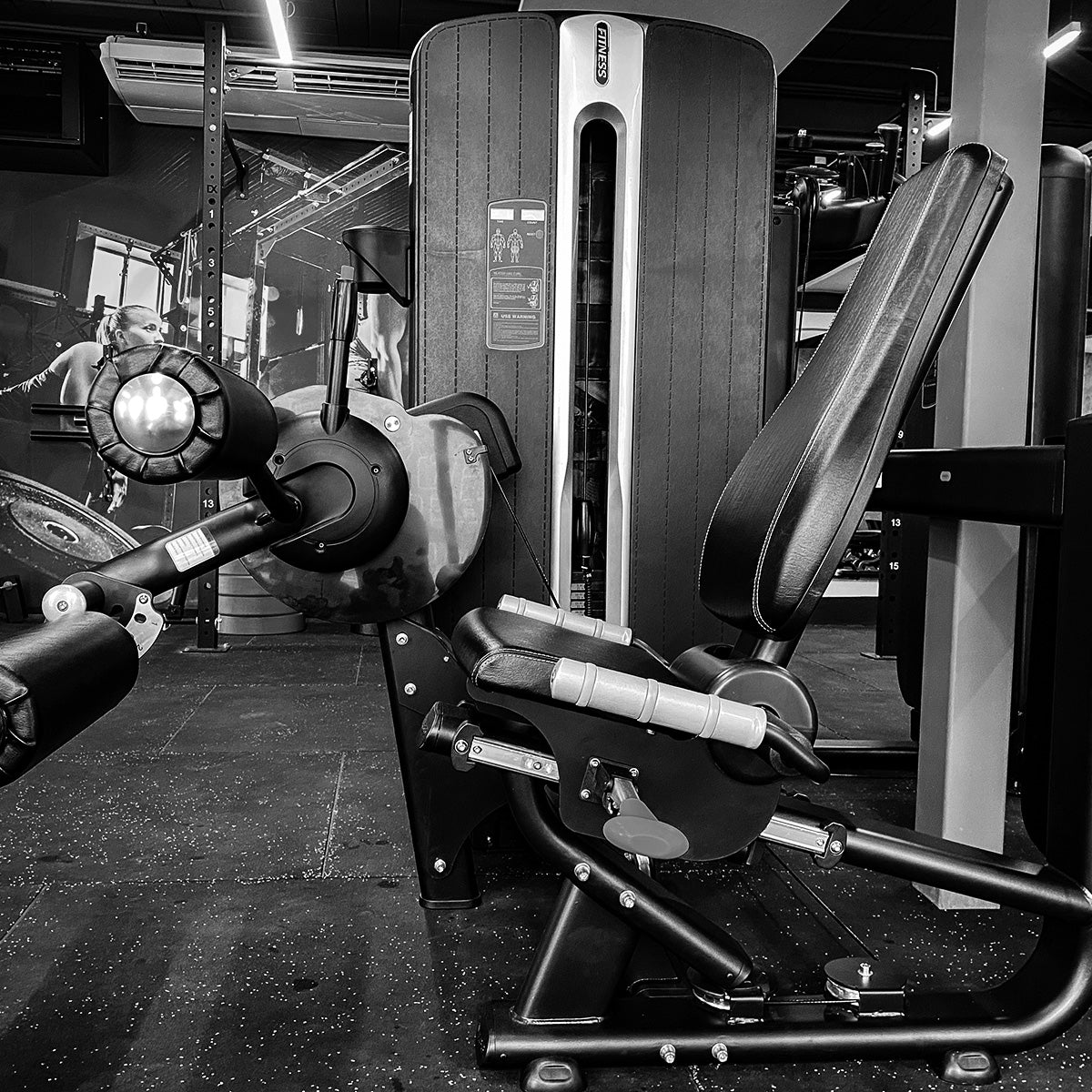
These facilities require a balanced mix of cardio, selectorised strength machines, and vibrant group training spaces to attract members, and maximise retention.
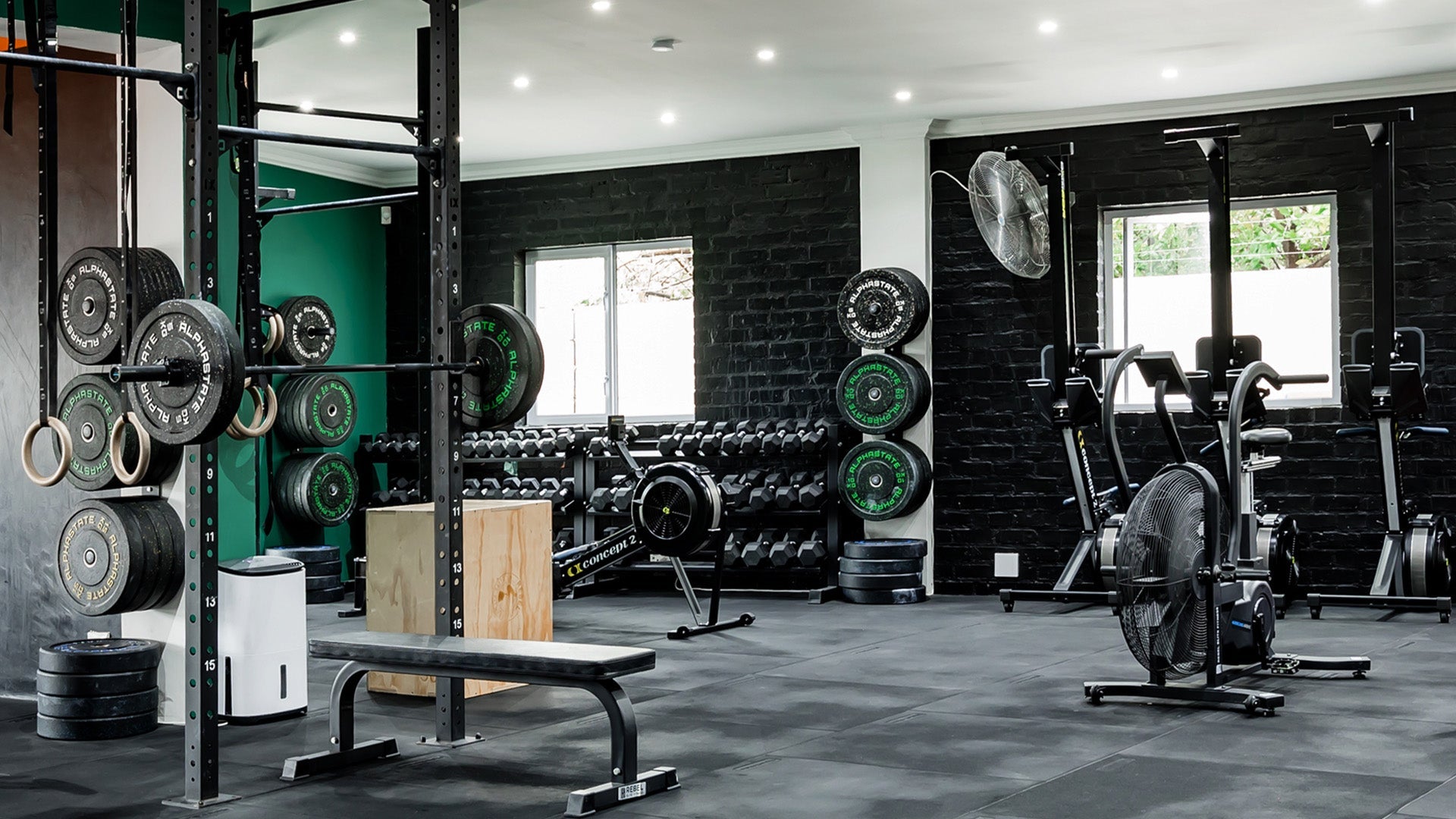
At The Gym, a 1000m² gym we designed in Worcester, we equipped their 1000m² facility to accommodate 2000+ members, whilst maintaining enough space to avoid it feeling over crowded. It included a large HIIT class area, complete with sled track and wall-mounted rig.
High-Performance & School Sports Centers:
Require a high concentration of power racks, lifting platforms, barbells, and open turf lanes for athletic conditioning and injury prevention, as well as ample space for large classes. Our starting point is a multi-station functional rig as it is durable, and offers a wealth of training options without taking up too much space.
Our installation at Herschel Girls' School in Claremont is a prime example of how the wall-mounted rig provided a comprehensive training solution despite their limited space. In contrast, the formidable gym at HTS Drostdy was designed to facilitate large group training sessions – from their netball teams to their rugby squad – making a multi-station wall-mounted rig the perfect solution for versatility and durability .
Corporate Wellness Facilities:
Prioritise intuitive, user-friendly cardio equipment, functional selectorised machines, and dedicated mobility or stretch areas to cater to diverse employee fitness levels.
Residential Estate Gyms:
Focus on premium aesthetics, space-saving multi-gym systems, and low-maintenance cardio equipment that delivers a premium lifestyle feel.
2. Optimise layout around "zoned" movement patterns
To ensure member safety, reduce congestion during peak hours, and comply with South African Occupational Health and Safety (OHS) standards, your gym must be divided into distinct, logical training zones.
An optimized commercial gym layout follows this structural framework:
The Strength Zone
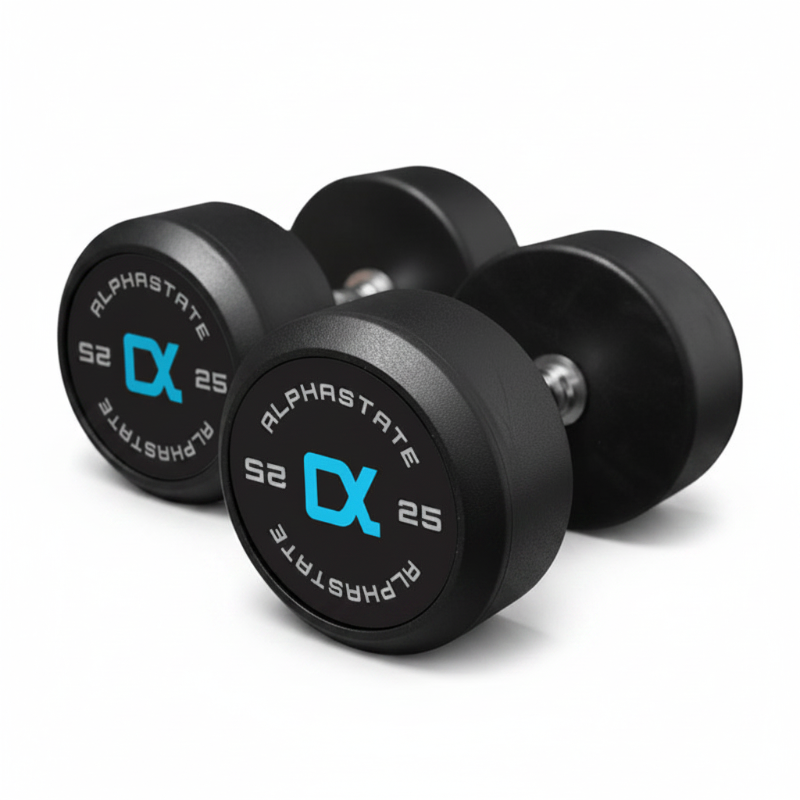
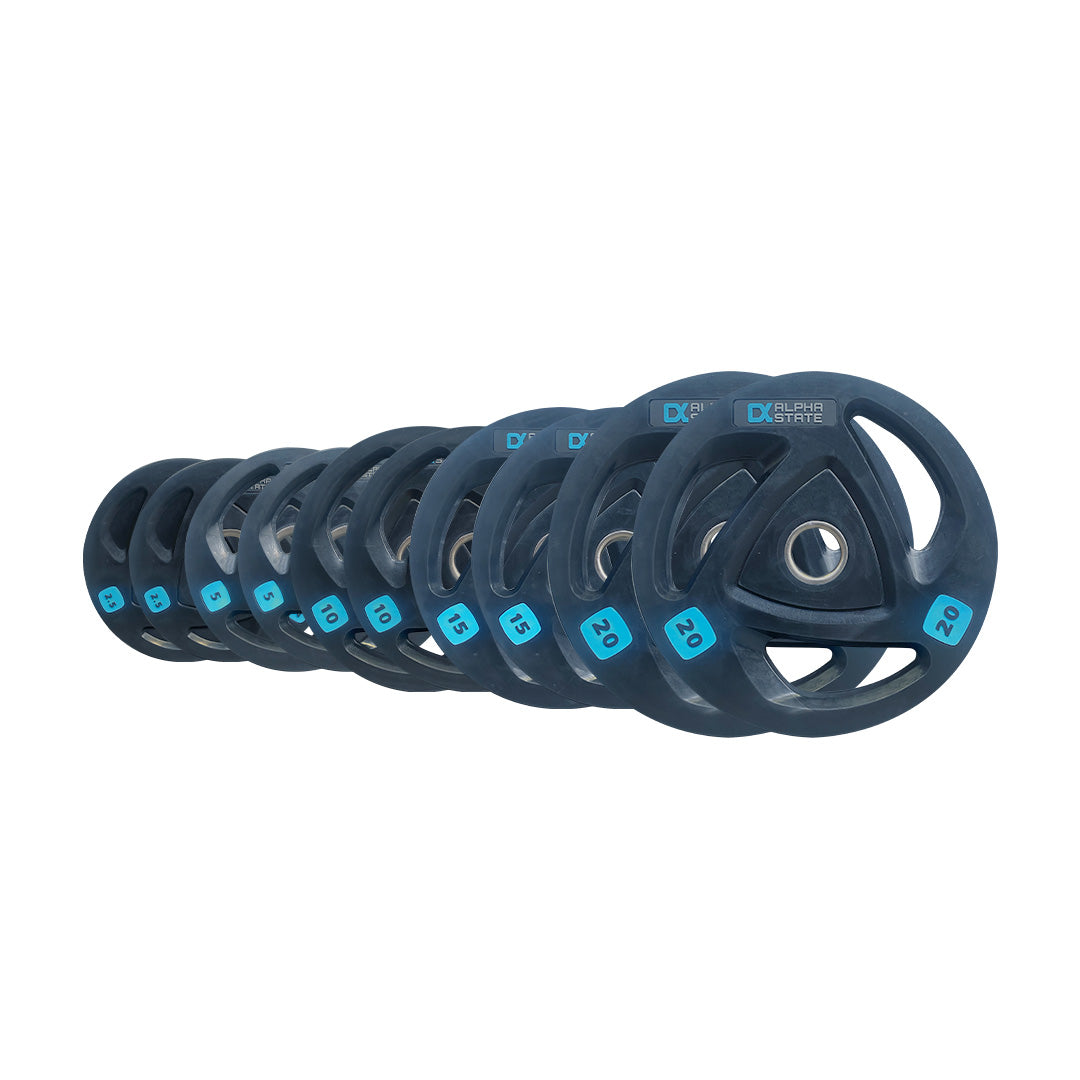
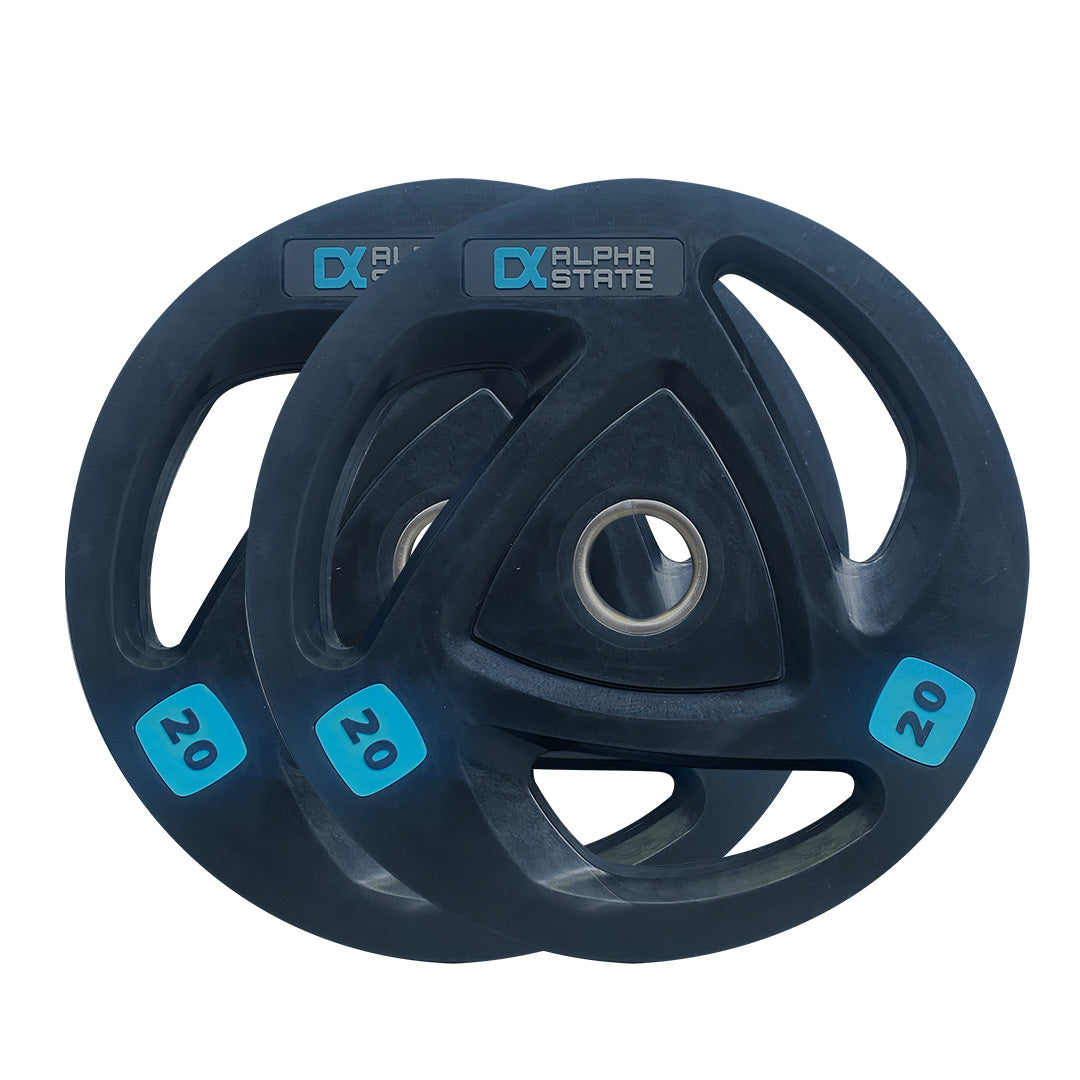
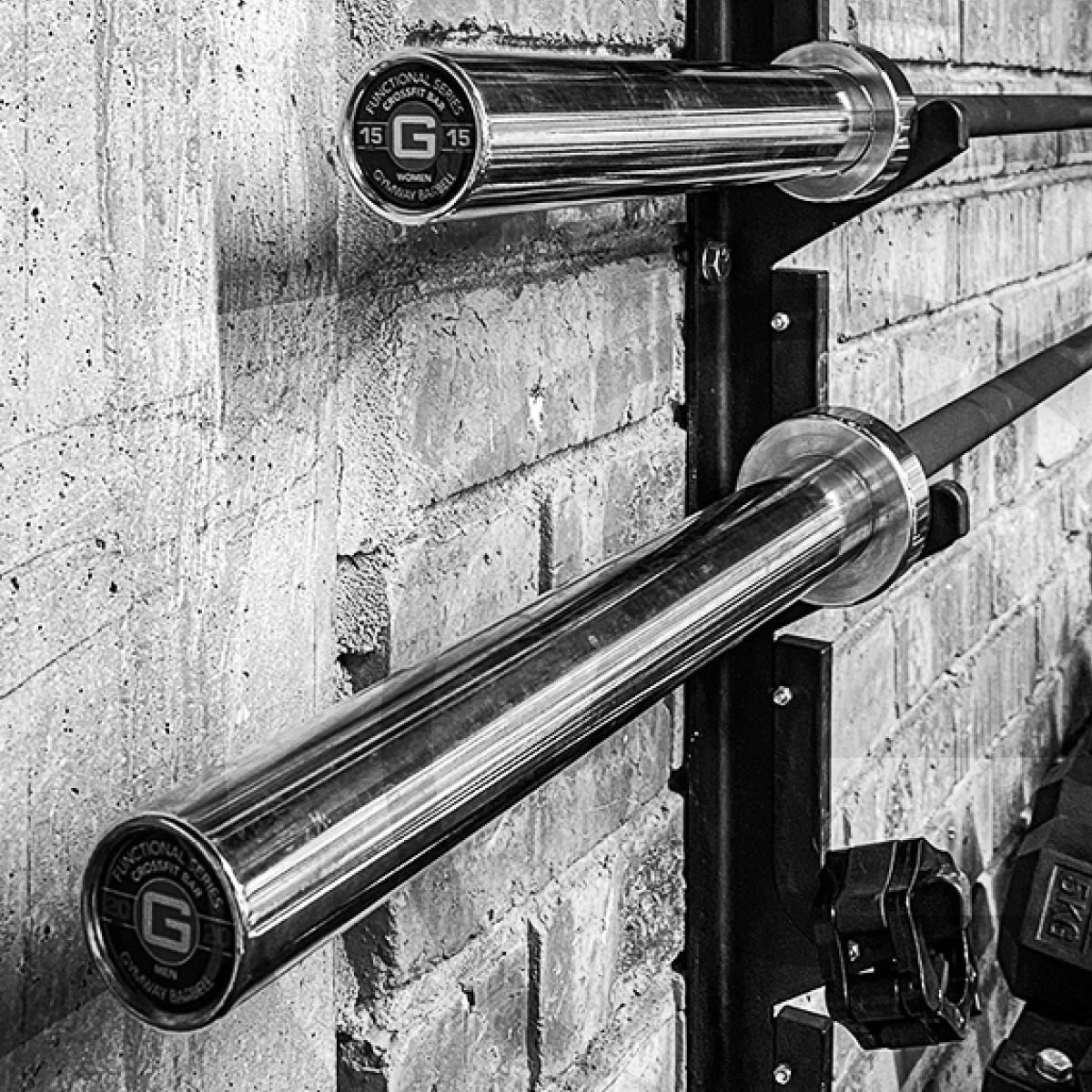
- Equipment: Power racks, functional rigs, plate-loaded machines, Olympic benches, barbells, and weight plates.
- Design Metric: Heavy lifting zones require specialised high-impact acoustic rubber flooring (minimum 20mm–40mm thickness) to protect the sub-floor and dampen sound transmission.
The Functional Training Zone
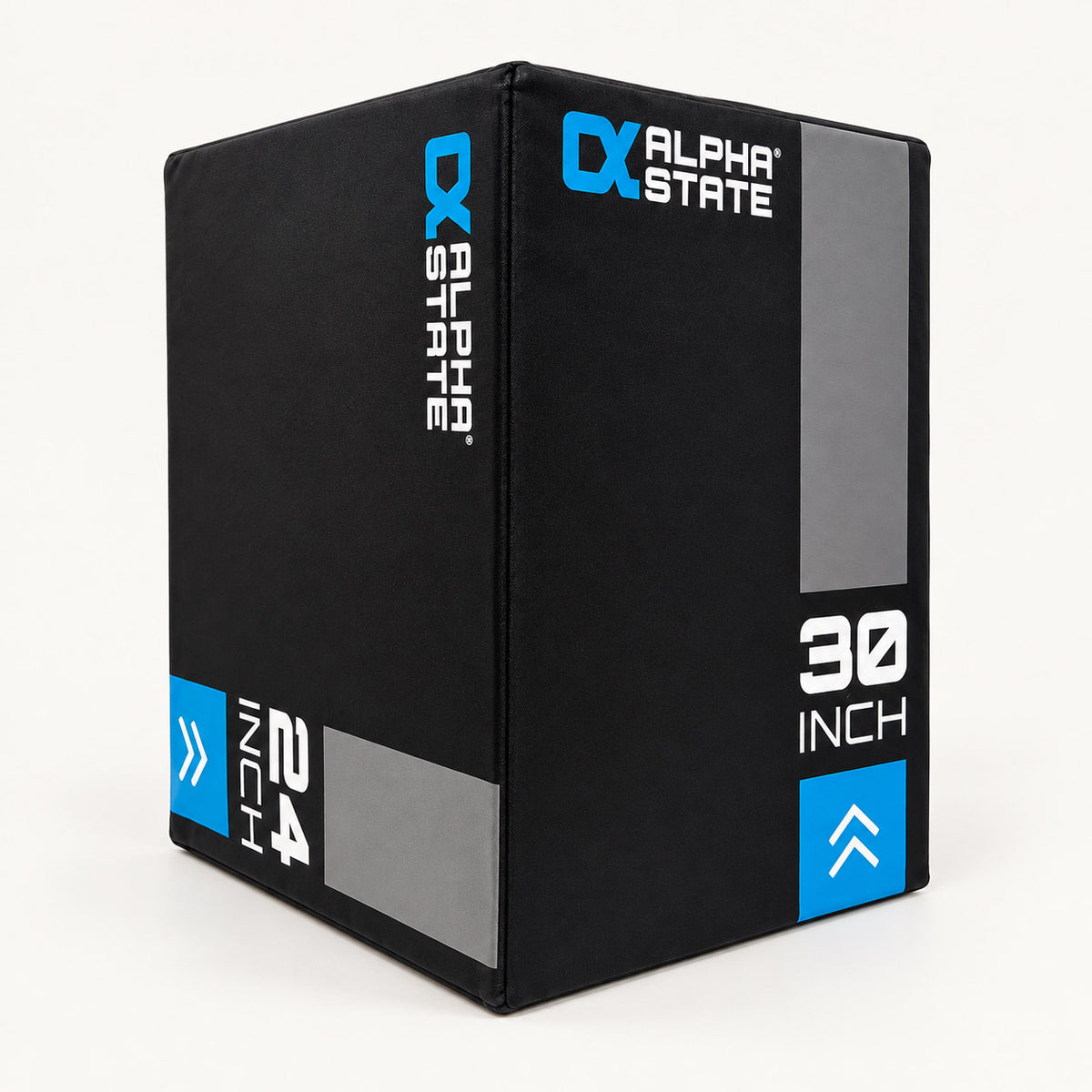
- Equipment: Synthetic turf lanes, sled tracks, kettlebells, medicine balls, and suspension trainers.
- Design Metric: Keep this area centrally located or open-plan to allow for dynamic, multi-directional movement.
The Cardio Zone
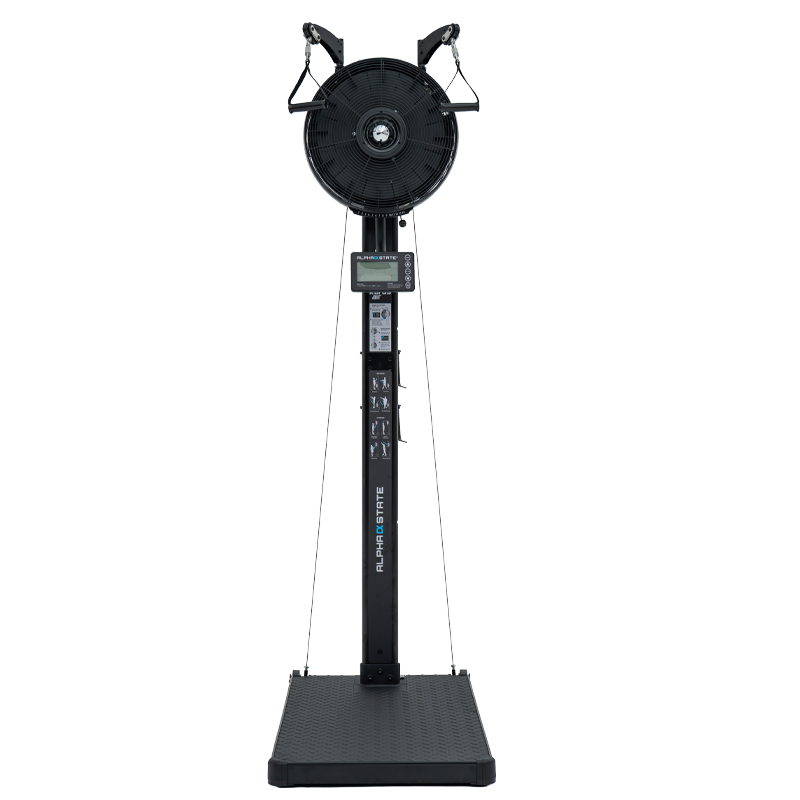
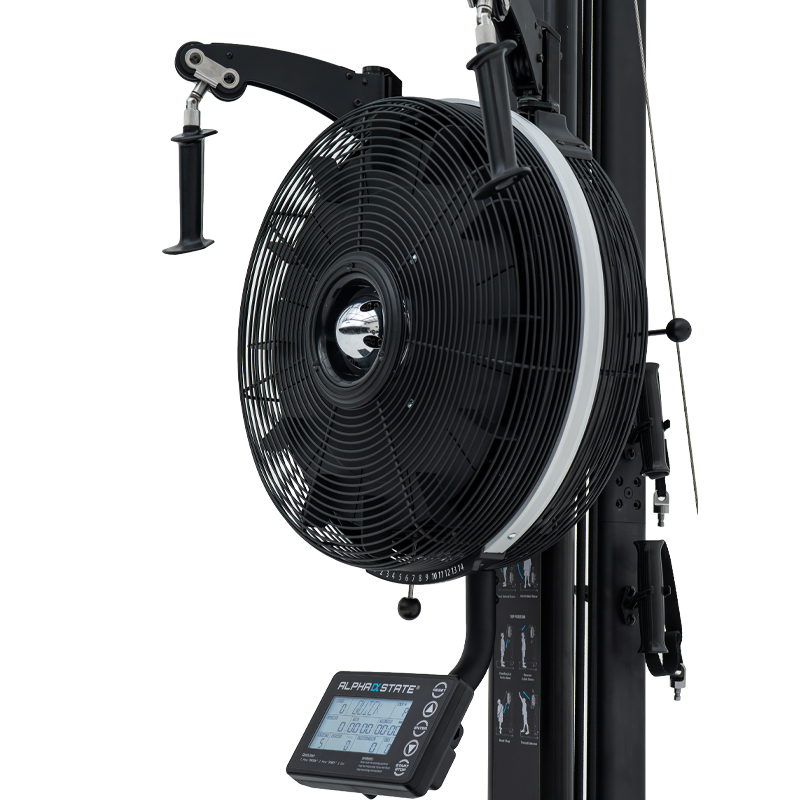
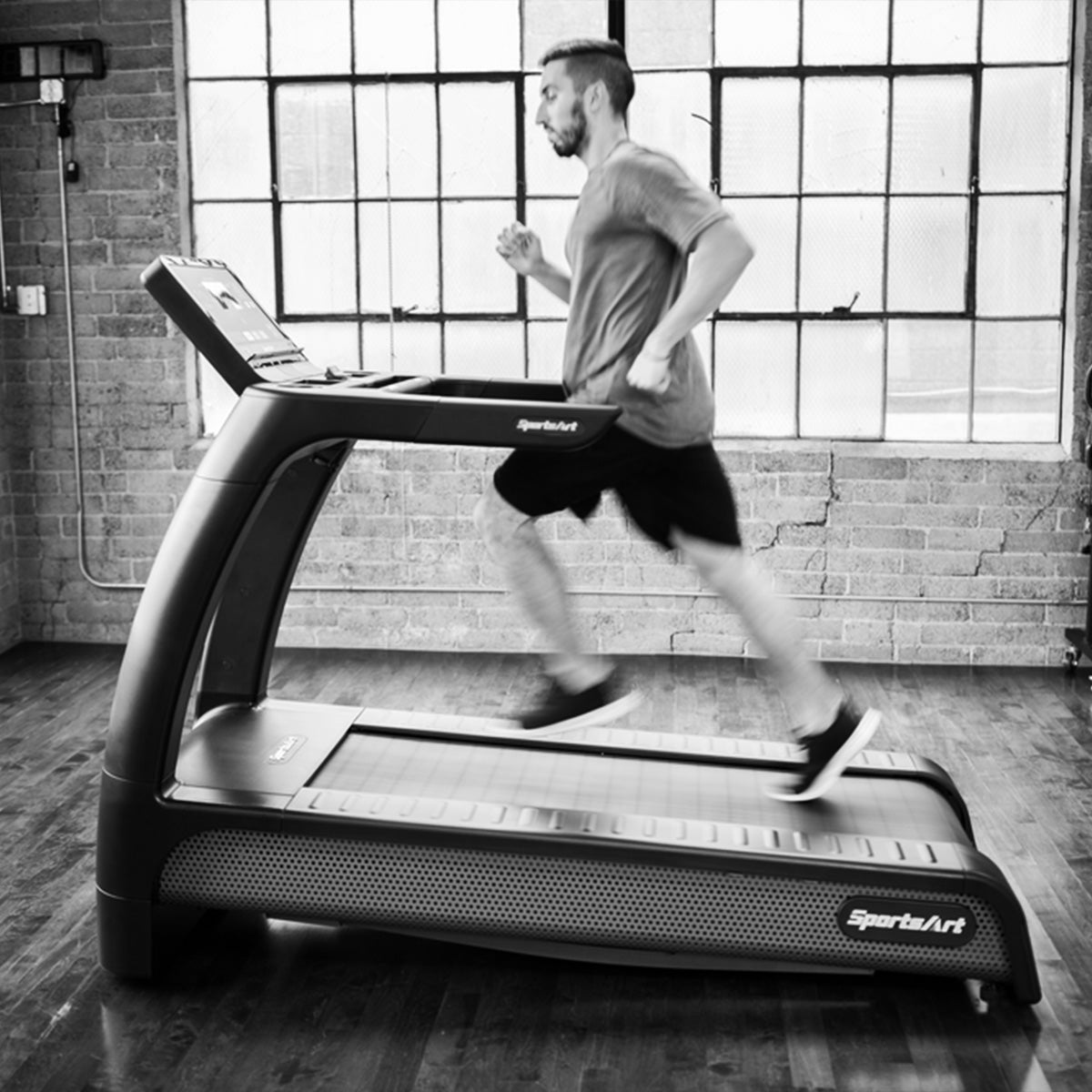
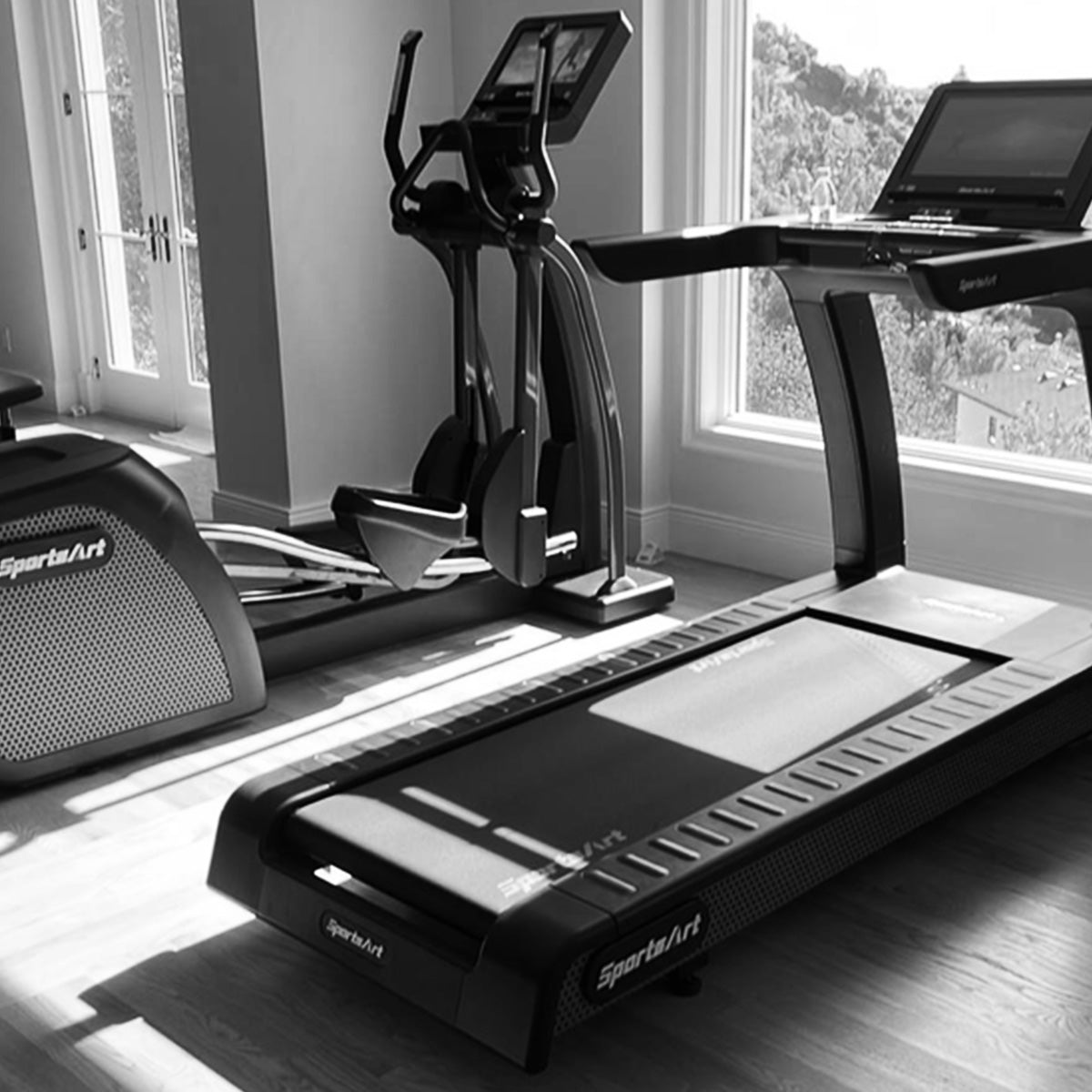
- Equipment: Treadmills, commercial upright and recumbent bikes, rowers, air bikes, and stair climbers.
- Design Metric: Allow for proper ventilation and proximity to power sources, keeping a strict 1-meter safety clearance behind all treadmills.
The Recovery & Mobility Zone
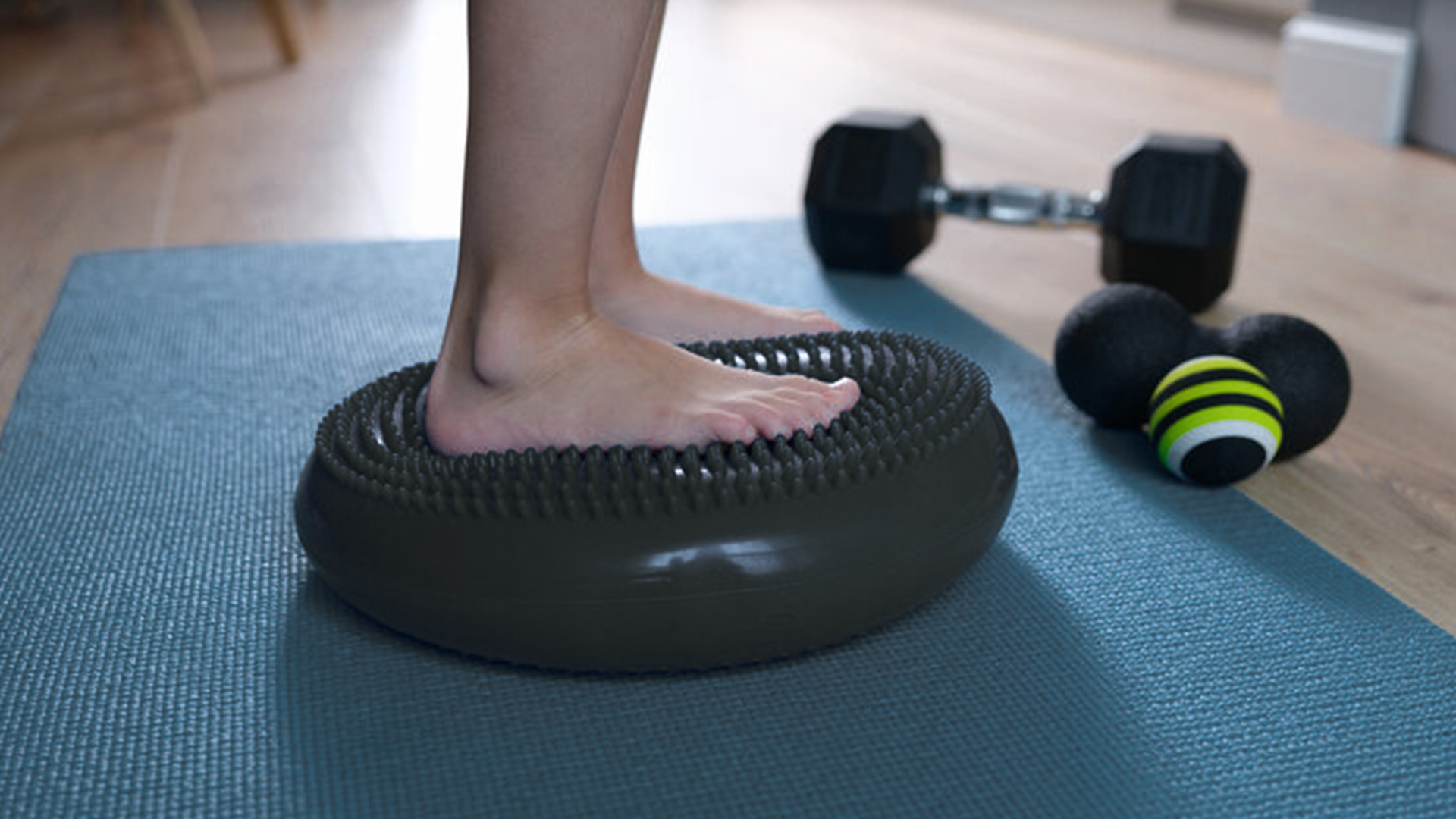
- Equipment: Stretching mats, foam rollers, massage guns, and dedicated mobility stations.
- Design Metric: Position this zone in a quieter section of the facility, away from heavy lifting and high-decibel music.
3. Account for unique South African operational challenges
Designing a gym in South Africa requires solving infrastructure and environmental challenges that international templates often overlook.
Load-shedding & Energy Resilience: Modern commercial gyms can integrate self-powered cardio equipment (such as curved, non-motorised treadmills, air bikes, and self-generating cross-trainers) to keep the facility operational during power outages. Gym Concepts specializes in designing energy-efficient layouts that minimize reliance on the grid.
Ventilation & Climate Control: South African summers demand robust HVAC planning. Gym layouts must strategically align high-exertion zones (Cardio and Functional) with optimal airflow, extraction fans, and air conditioning units.
Flooring & Structural Loading: For facilities located on first floors or higher (common in urban retail centers and corporate parks), structural engineers must calculate the weight load of heavy dumbbell racks and plate-loaded zones to ensure structural integrity.
4. Leverage smart space optimisation & functional rigs
One of the most prominent shifts in commercial fitness is moving away from isolated, single-use selectorised machines toward multi-functional movement.
A custom-designed wall-mounted or freestanding modular rig system serves as the Swiss Army knife of your facility. Within a compact footprint, a well-engineered rig supports:
➜ Squat and bench press stations
➜ Pull-up and gymnastics modalities
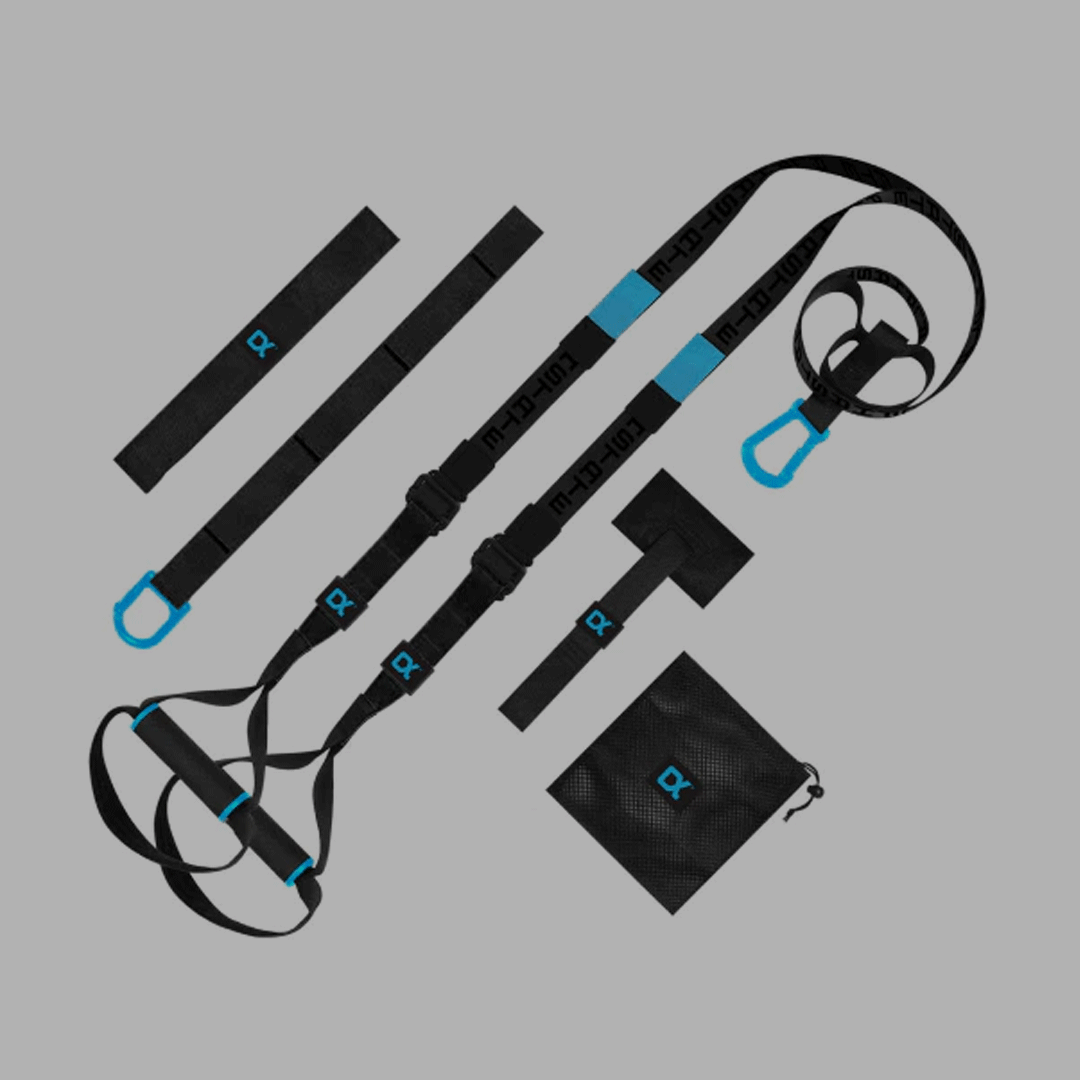
➜ Suspension training (TRX) and boxing bag attachments
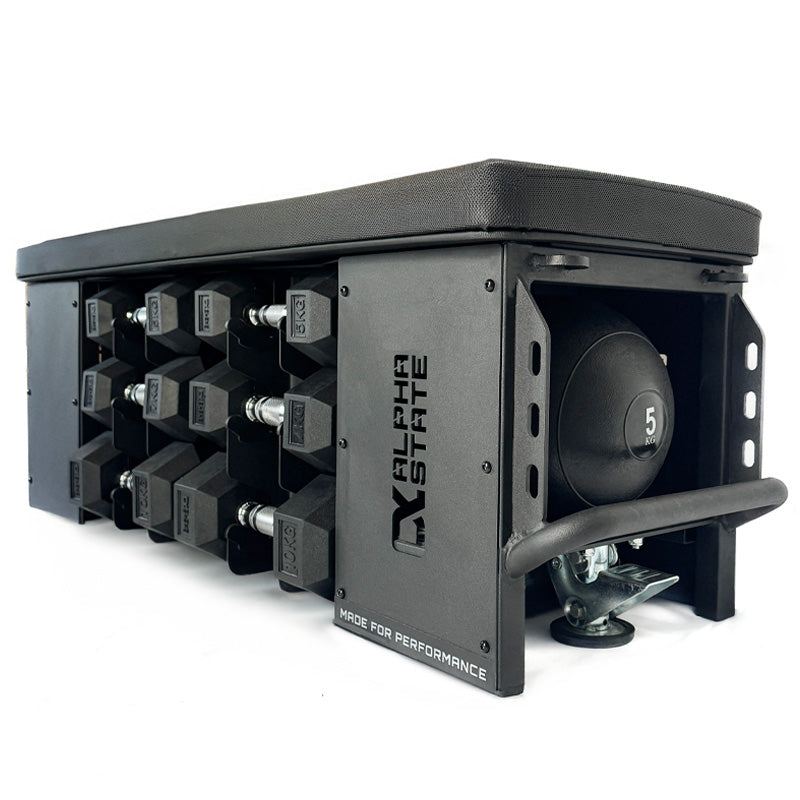
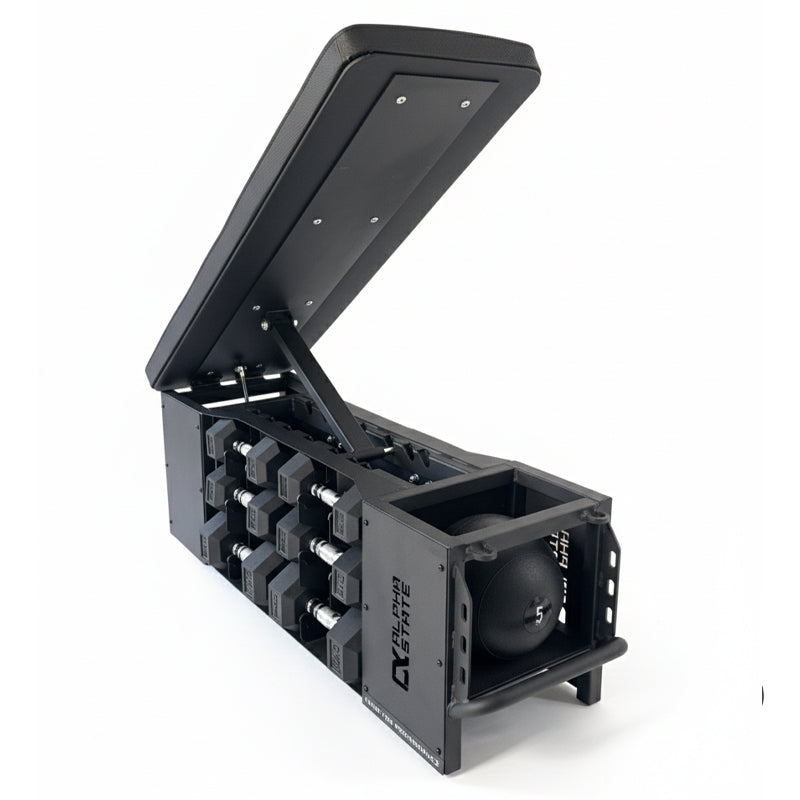
➜ Integrated storage for bumper plates, kettlebells, and medicine balls
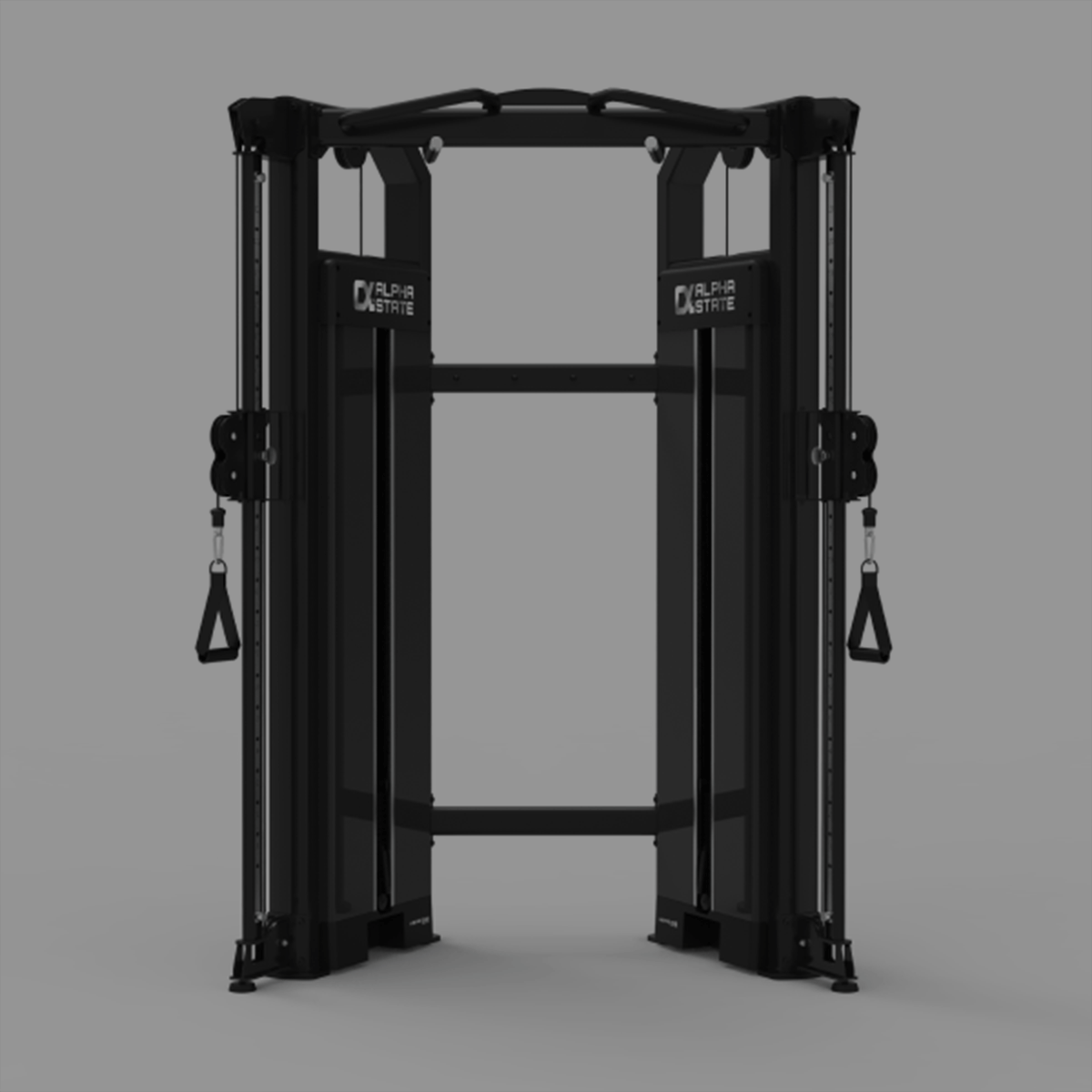
By replacing bulky, single-purpose machines with modular functional systems, you open up valuable floor space, allowing for higher member capacity and dynamic group training classes that drive secondary revenue. Browse through AlphaState's comprehensive functional rigging catalogue and you'll realise the possibilities are endless.
5. Beware the South African "Value Trap" (Capex vs. long-term Opex)
With ongoing economic pressures in South Africa, it is incredibly tempting to trim your upfront capital expenditure (Capex) by opting for cheaper, unbranded imports or light-commercial equipment alternatives. However, in a high-traffic commercial setting, this initial saving is a value trap.
The Price of Downtime: If a budget treadmill breaks down and parts take six weeks to arrive, you aren't just missing a machine – you are actively shedding members. In SA's competitive fitness market, an "Out of Order" sign directly damages member retention.
Structural & Safety Risks: Standard or residential-grade equipment is not engineered to withstand 10 to 12 hours of continuous daily use. Component failures pose serious compliance and safety risks under the South African Occupational Health and Safety (OHS) Act.
Investing in rugged, certified commercial-grade equipment guarantees a significantly lower Total Cost of Ownership (TCO) over a 3-to-5-year lifecycle through reduced maintenance, longer lifespans, and higher trade-in value.
6. Partner with a specialised commercial turnkey supplier
Commercial gym infrastructure undergoes rigorous, continuous use. Relying on residential-grade equipment or an unverified importer exposes your business to severe liability, high maintenance costs, and prolonged downtime.
When vetting a facility design partner in South Africa, ensure they provide:
✔️ Comprehensive 3D Spatial Planning: Precise floor plans to visualise traffic flow and spacing before purchasing.
✔️ Commercial Warranties: Explicit warranties tailored for high-volume commercial use, not residential settings.
✔️ Local Spare Parts & Technical Footprint: A dedicated team of technicians based in South Africa's major economic hubs (Gauteng, Western Cape, KwaZulu-Natal) to ensure rapid service turnaround.
✔️ SLA Support: Preventative maintenance contracts to maximise the lifespan of your investment.
Why Choose Gym Concepts as Your Facility Design Partner?
At Gym Concepts, we don’t just supply premium fitness equipment; we design profitable, operationally seamless fitness spaces. From initial consultation and custom 3D layouts to professional installation and robust after-sales support, we are South Africa’s premier turnkey commercial gym solution.
Contact the our team of experts to bring your vision to life.
FAQs: Commercial Gym Design (SA)
How much space do you need per person in a commercial gym?
On average, a commercial gym should allocate approximately 4 to 5 square meters of total floor space per active member to ensure safe movement, proper equipment spacing, and comfortable traffic flow during peak operating hours.
What are the compliance requirements for opening a gym in South Africa?
To legally operate a commercial gym in South Africa, you must comply with the Occupational Health and Safety (OHS) Act, ensure structural floor loading approvals, secure local municipal zoning permits, install compliant fire safety and emergency exit signage, and adhere to SAMRO/SAMPRA licensing regulations if playing music.
What is the ideal safety clearance between gym equipment?
For commercial facilities, there should be a minimum clearance of 90cm to 1.2 meters between individual strength machines and functional zones. Treadmills require an absolute minimum of 1.2 to 1.5 meters of clear, unobstructed space directly behind them to prevent injuries from falls.