


Budgeting for a commercial gym in South Africa isn't just about the upfront price tag; it’s about the long-term cost of keeping it running. While entry-level budget brands look tempting on a spreadsheet, they often lead to expensive breakdowns, missing spare parts, and member complaints. The smartest way to budget is to invest heavily in heavy-use gear (look for 11-gauge steel and AC treadmill motors) and use high-quality, commercially viable value ranges to keep your overall costs down without buying junk.
Let's be honest: setting up your dream commercial gym is exciting at first, but it can also feel like a financial minefield. Whether you’re launching a hybrid training facility, kitting out a school sports centre, or setting up a premium estate gym, your budget is going to be top of mind.
In our market, the old saying "goedkoop is duurkoop" (cheap is expensive) is practically a law of physics. It’s incredibly tempting to trim your initial costs by picking the cheapest gear you can find online. But in a commercial setup, a cheap quote upfront almost always translates to a massive headache down the line.
When we sit down with our clients to map out a gym, we don't just look at the retail price; we look at what that machine is going to cost you over the next 3-5 years.
Here's our honest, no-nonsense guide to budgeting for a gym without falling into the budget trap.
1. The initial price vs. the real cost
When you’re comparing quotes from different suppliers, the purchase price is only the tip of the iceberg. You need to think about the Total Cost of Ownership, which includes:
-
- The initial price, shipping, and professional installation.
- Routine servicing to keep your warranties intact.
- Emergency repairs and replacement parts when things inevitably wear down.
- How much value the machine retains if you want to trade it in later.
If a machine uses cheap parts, it’s going to fatigue fast when exposed to 10 to 12 hours of daily abuse. Within 18 months, the money you spend on repairs and replacement parts will usually wipe out whatever you saved on the initial purchase.
2. How to spot a dud on a spec sheet
You don’t need to be an engineer to buy gym equipment, but you do need to know how to read a specification sheet. When you're comparing options, focus on these hard metrics:
Treadmills & Cardio
AC vs. DC motors: Budget and home-use treadmills use Direct Current (DC) motors. They heat up quickly and hate continuous loads. True commercial treadmills use Alternating Current (AC) motors. They run much cooler, use less electricity, and are built to run all day long.
Continuous horsepower (CHP): Look for the "CHP" rating, not just "Peak HP". Peak horsepower is a bit of a marketing trick—it’s just what the motor can hit for a second. For a commercial space, you want a motor rated between 3.0 CHP and 5.0 CHP so it can handle heavy runners hour after hour.
Roller size: Look for rollers that are at least 70mm to 90mm in diameter. Smaller rollers force the treadmill belt to bend at a sharp angle, creating intense heat and friction that snaps belts and burns out motors prematurely.
Strength & Cable Machines
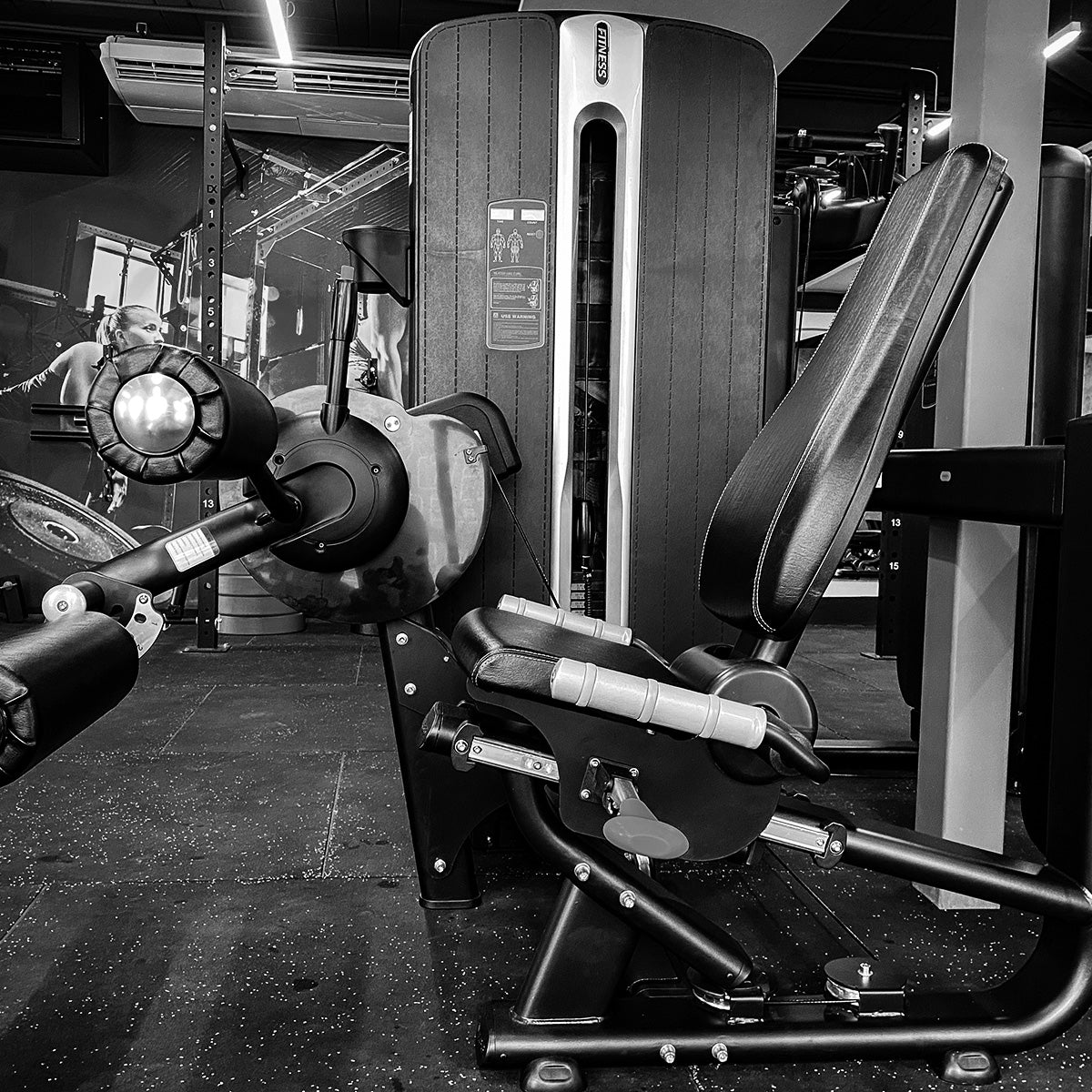
Steel gauge: The lower the gauge number, the thicker and chunkier the steel. Cheap frames use thin 14-gauge steel. For a proper commercial gym, you want a minimum of 11-gauge steel (about 3mm thick). This stops the frame from flexing, rattling, or worse, cracking at the welds when a heavy lifter drops the stack.
Pulleys & cables: Budget units use cheap plastic pulleys that crack under pressure and fray your cables. Look for fiberglass-reinforced nylon or CNC-machined aluminium pulleys with sealed bearings. Your cables should be aviation-grade steel. The AlphaState Nemesis Series, for instance, features specialised Japanese-engineered cables rated to handle a massive 1,400kg of tension without fraying.
3. The smart way to mix & match (value engineering)
We know that everyone has a budget limit. But instead of dropping down to unverified budget imports to save cash, we prefer a strategy called "value engineering." This means putting your money where it actually matters.
The premium anchors
For the high-impact, highly visible areas of your gym, you want equipment that creates a "wow" factor and offers flawless ergonomics. This is where we deploy our heavy-hitters:
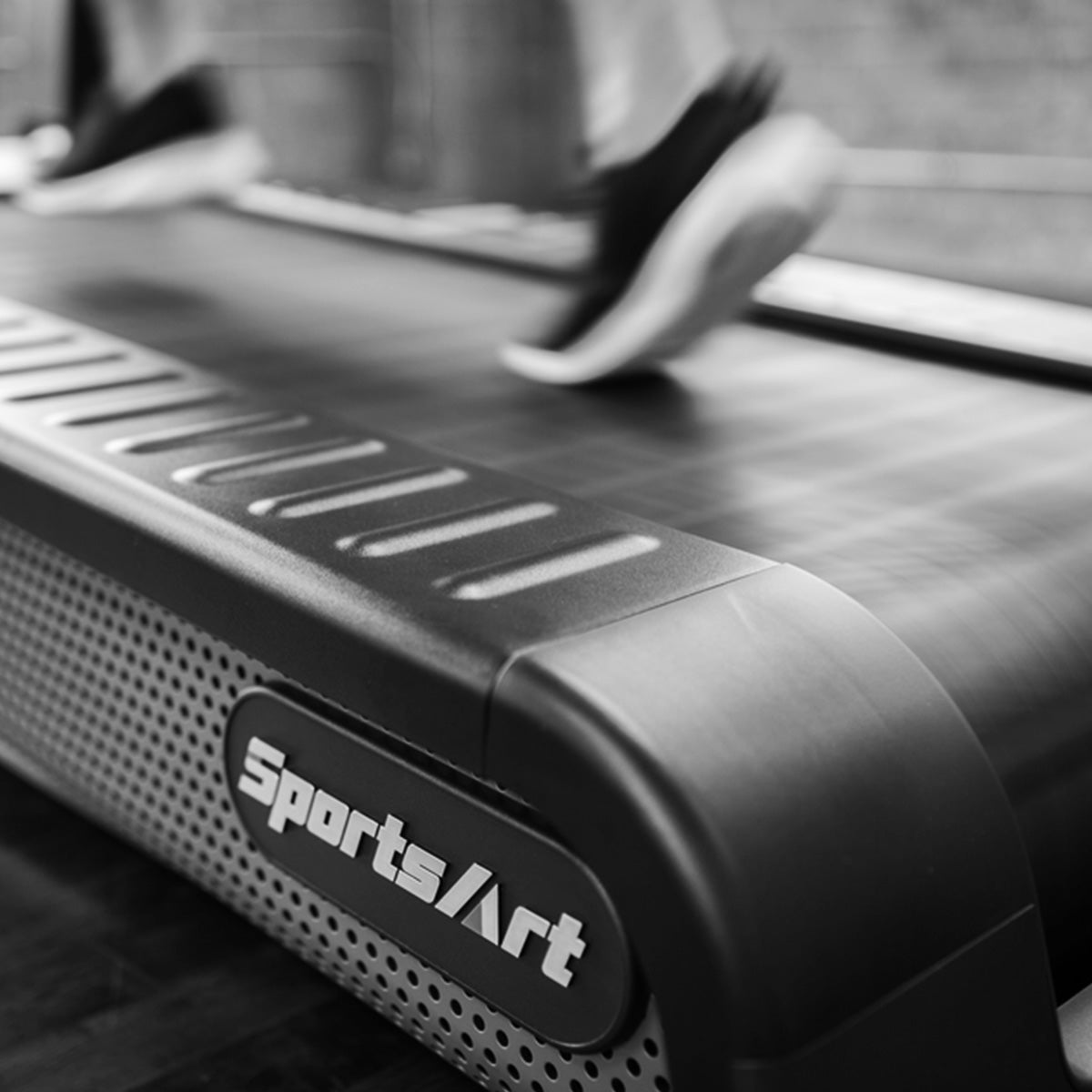
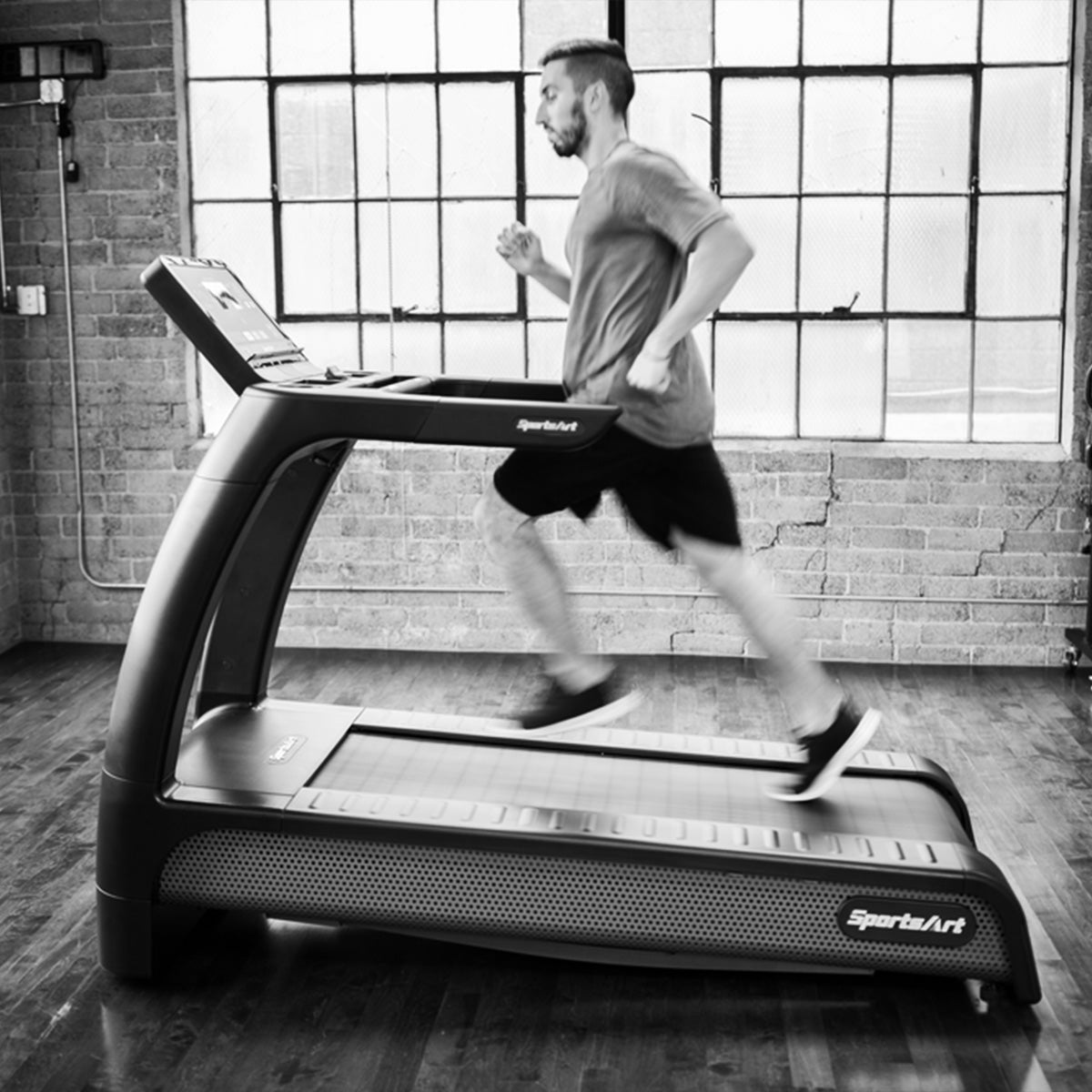
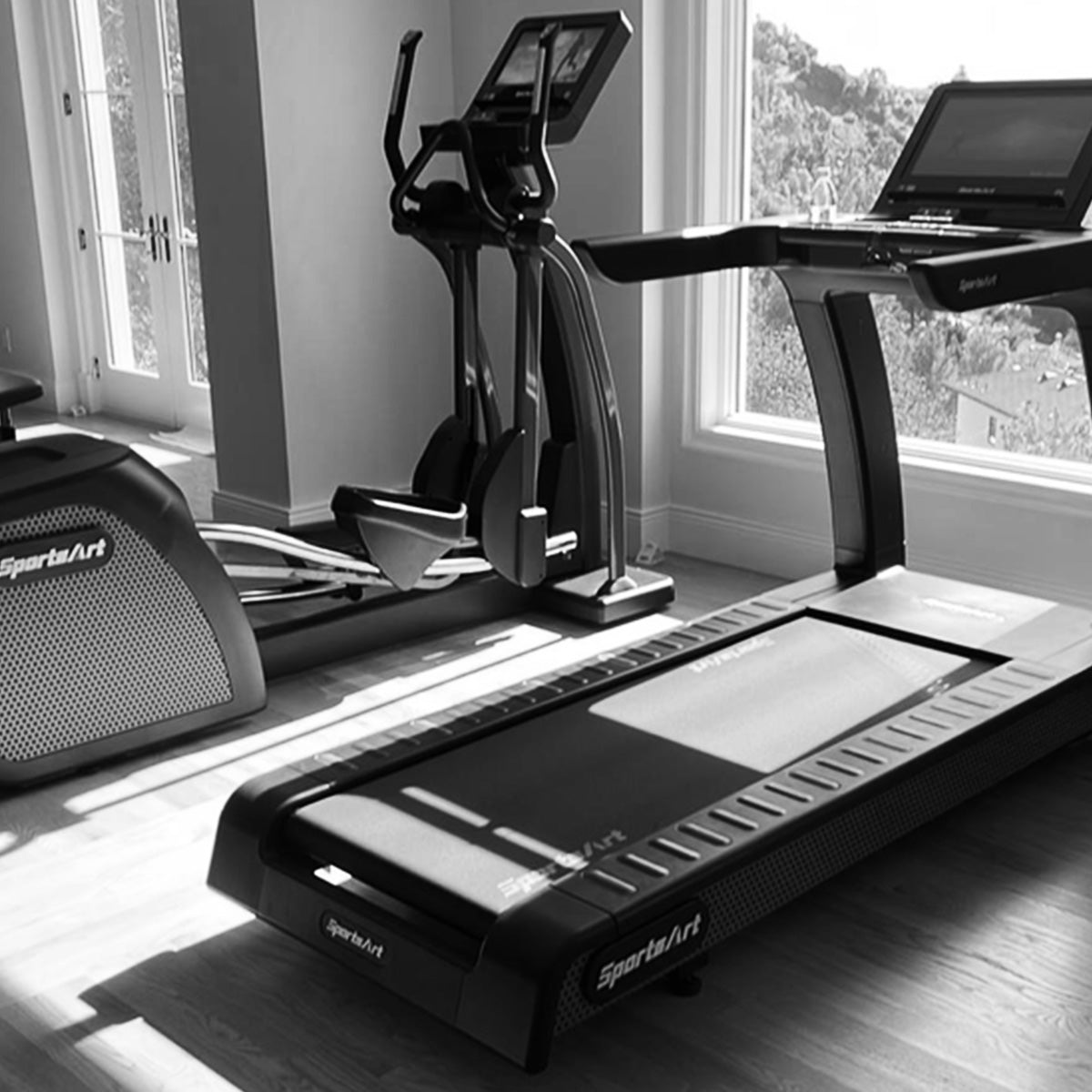
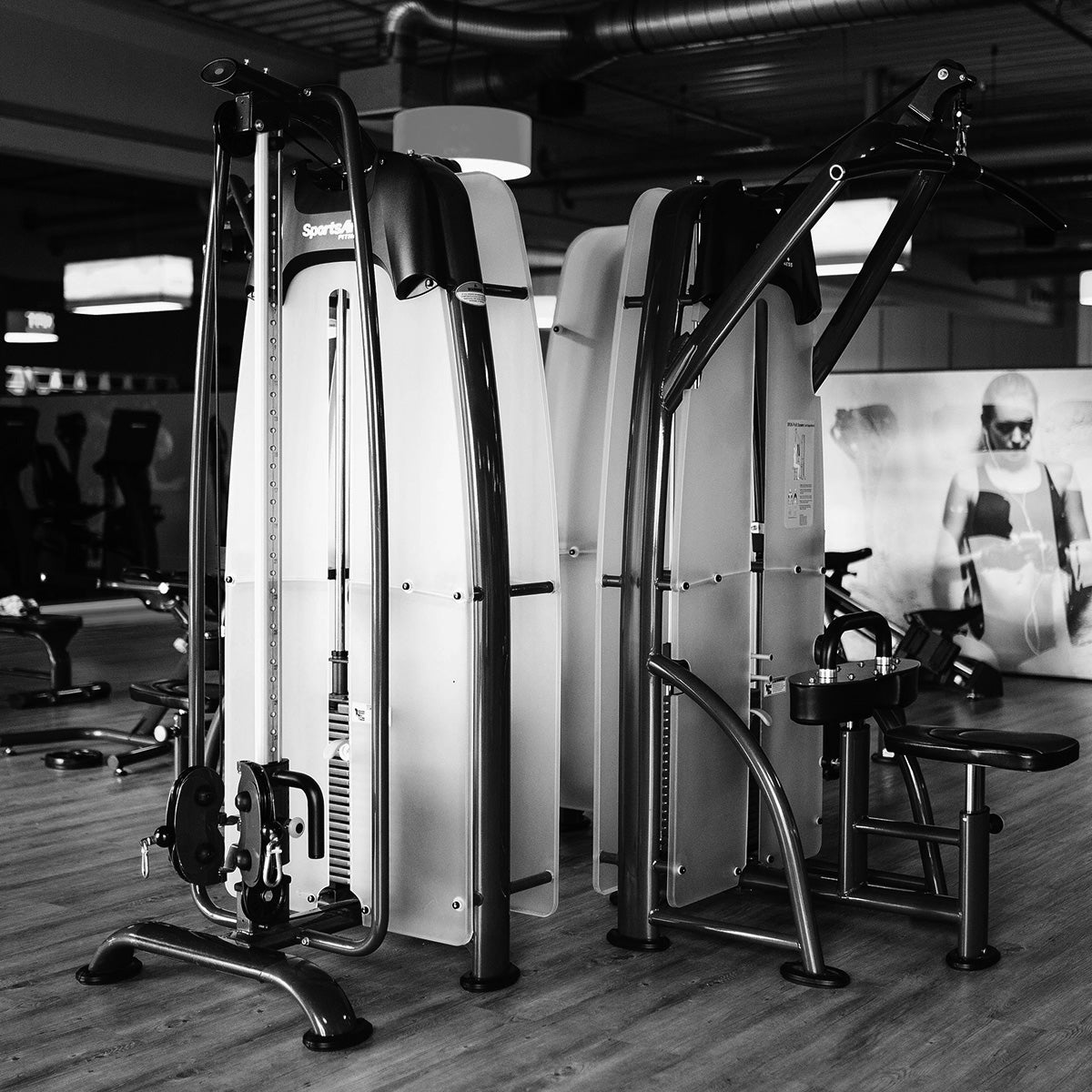
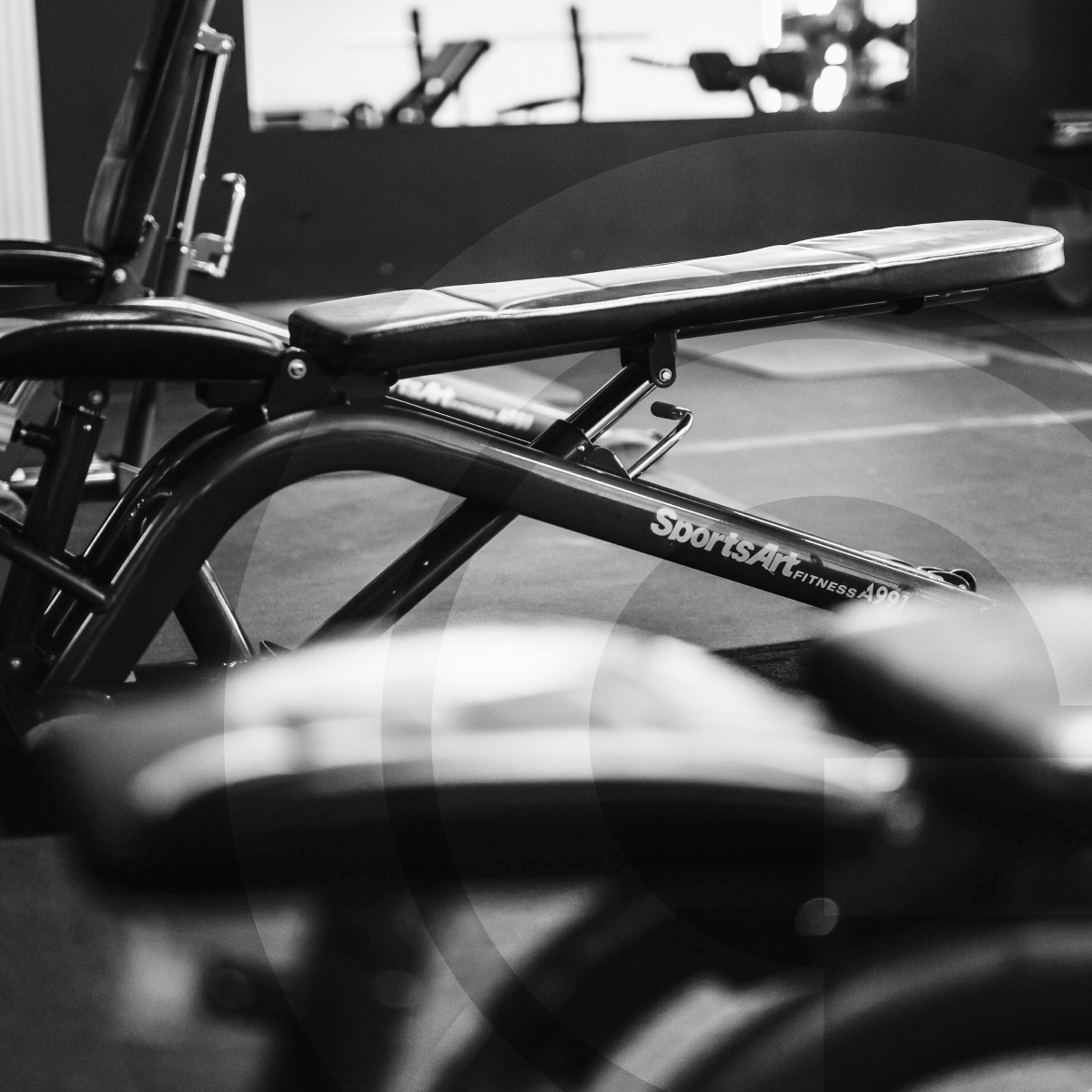
SportsArt: These pieces are an absolute game-changer on a commercial floor. SportsArt's selectorised strength equipment range is world-class, but where they really blow the competition away is their cardio. They offer an incredible, green eco-friendly line of ECO-POWR™ treadmills, cycles, and ellipticals that actually capture human energy and turn it into electricity, feeding it back into your facility’s grid.
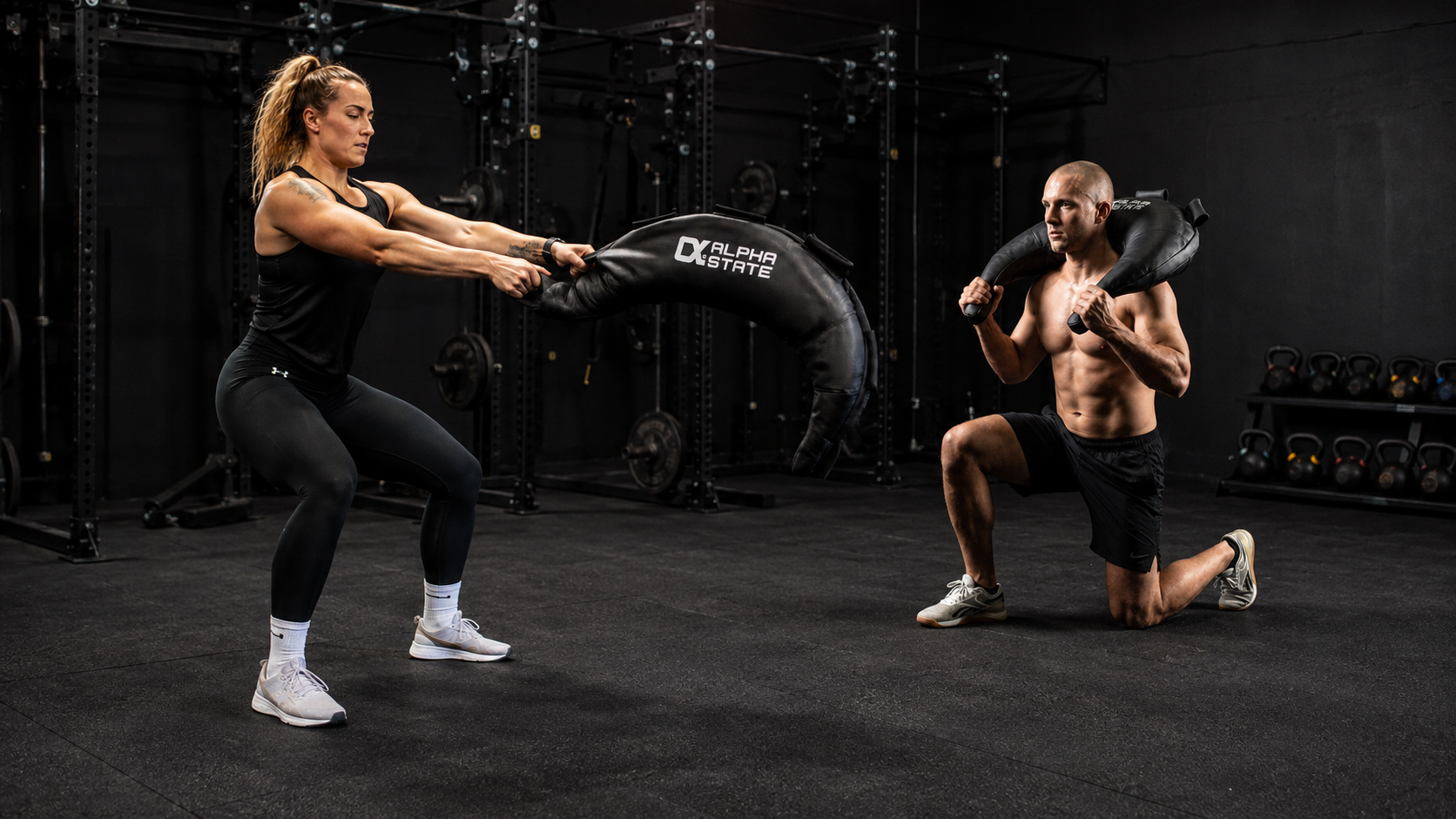
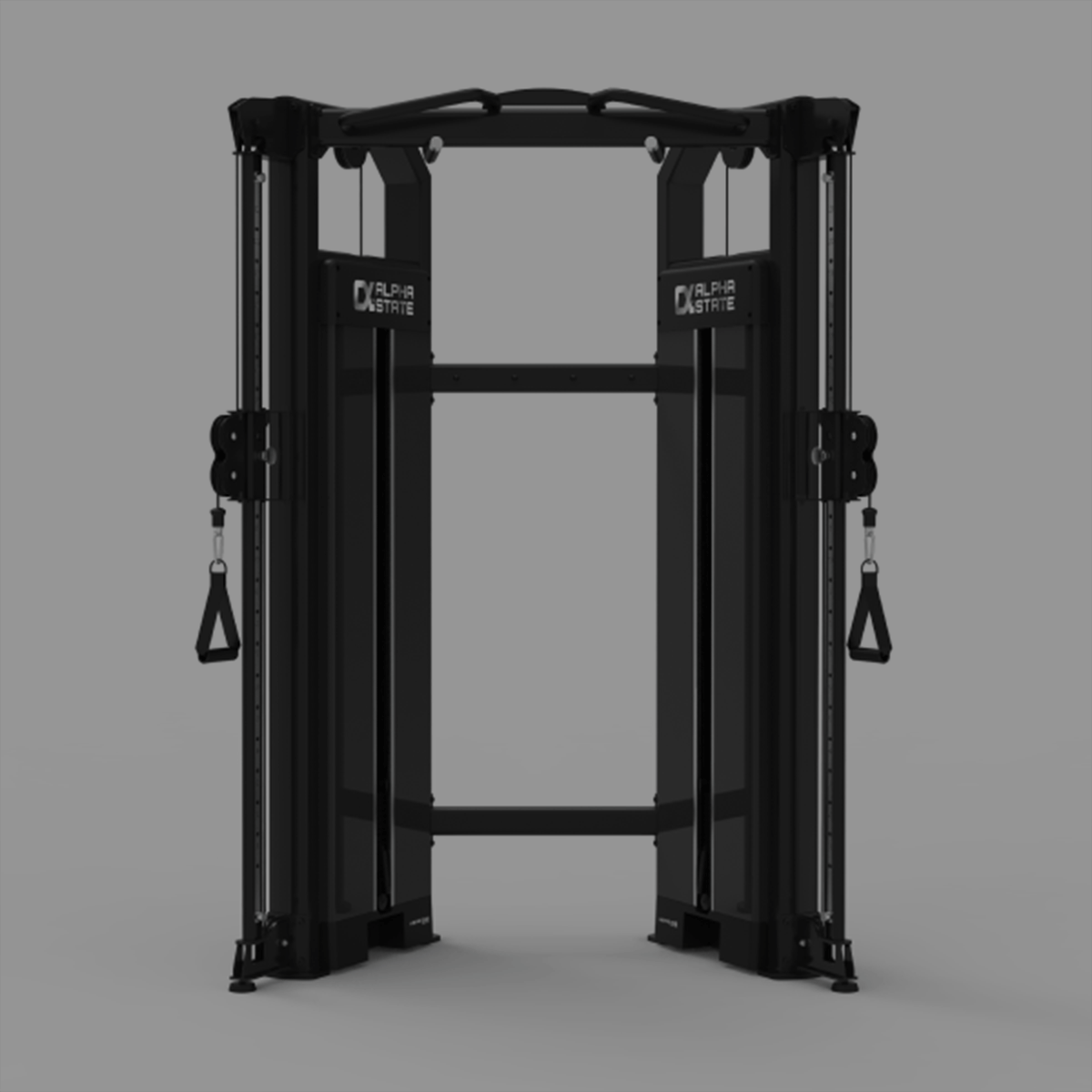
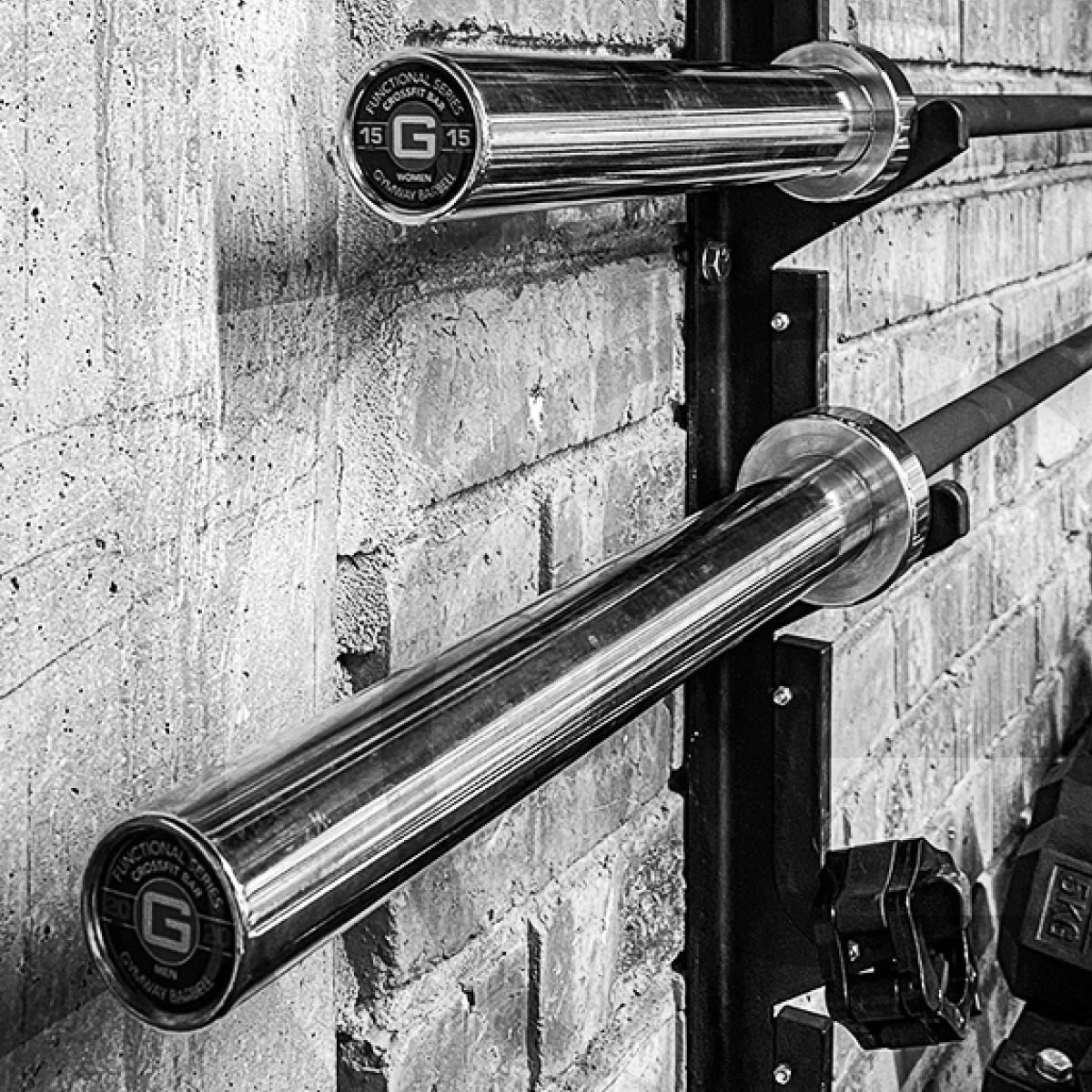
AlphaState: A premium strength and functional brand, built to brutal 11-gauge steel specs for serious training.
Stepr: The absolute gold standard for high-tech, premium stair climbers and air-based cardio.
Global titans: Because of our deep industry partnerships, we can easily source and integrate top-tier gear from global powerhouses like Technogym and LifeFitness for that ultra-premium, digitally connected finish.
The smart-value hero: Benchmark
To help you balance the books without compromising on quality, Benchmark's range of strength machines and treadmills perform well, without breaking the bank.
Treadmills are the number one item where clients try to skimp, and it almost always ends in disaster with broken decks and burnt-out inverters. The Benchmark treadmill is our ultimate value hack. It gives you the price accessibility of a budget-conscious line, but under the hood, it’s built with the heavy-duty AC motors, large rollers, and thick steel chassis required to survive a proper commercial environment. It’s a workhorse that doesn't break the bank.
4. Where to save, where to spend
If you need to trim down a quote, here is how we help you do it safely:
Anchor with Benchmark: Putting Benchmark treadmills on your main floor saves you serious capital. You can then use those savings to invest in premium touchpoints like an AlphaState functional rig, giving your gym a top-tier look while keeping your bank manager happy.
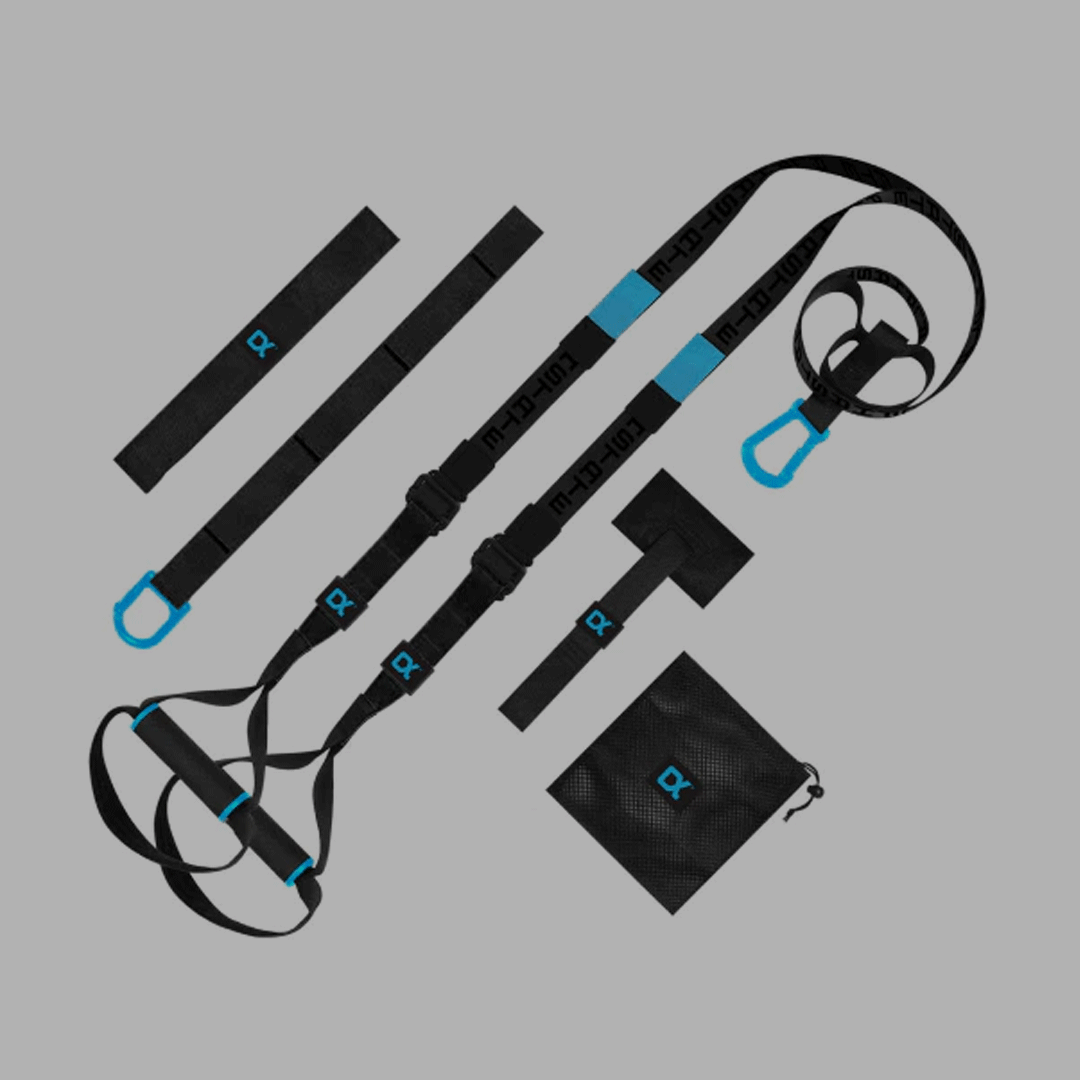
Invest in versatility and save space: Instead of buying multiple different machines to train specific muscle groups, let’s design a custom, multi-station rig to facilitate squats, pull-ups, suspension training, etc. in a fraction of the floor space. AlphaState's rig attachments are all compatible with their rig components and rig storage, — they even have an adjustable pulley attachment that's both plate-loaded and selectorised!
Go self-powered or air-based: Adding curved, non-motorised treadmills and air bikes is a massive win. They have fewer electrical parts to break, they cut down your building's electricity bill, and keep running when load-shedding hits.
The bottom line
We've been in the gym equipment industry for a while, and have stocked various brands that are still available in the market. We quickly realised why there's prices differences, and what specs to look at when working with equipment brands. Today, we only supply gear we completely trust to make sure you get the absolute most bang for your buck, without any of the post-purchase regrets.
Quick Q & A
Is it okay to mix premium equipment with value brands?
Absolutely. In fact, it’s the smartest way to build a gym. By using premium gear for your main strength and functional areas, and using ultra-reliable value options like Benchmark for your high-volume cardio, you get a premium-looking facility without the eye-watering price tag.
Why is "light-commercial" equipment a trap?
Light-commercial gear is designed for about 3 to 5 hours of use a day (think a small hotel or a low-traffic corporate room). If you put that into a public gym that’s open 14 hours a day, the belts, bushings, and motors will pack up within months. It also voids your warranty and leaves you exposed to safety risks.
What happens when something breaks down?
This is the biggest issue with low-cost imports: if a treadmill inverter pops or a cable snaps, you could wait months for parts to arrive from overseas while your machine sits with an "Out of Order" sign.